How Long Does Exterior Paint Last? Climate, Sun Damage & Maintenance Tips
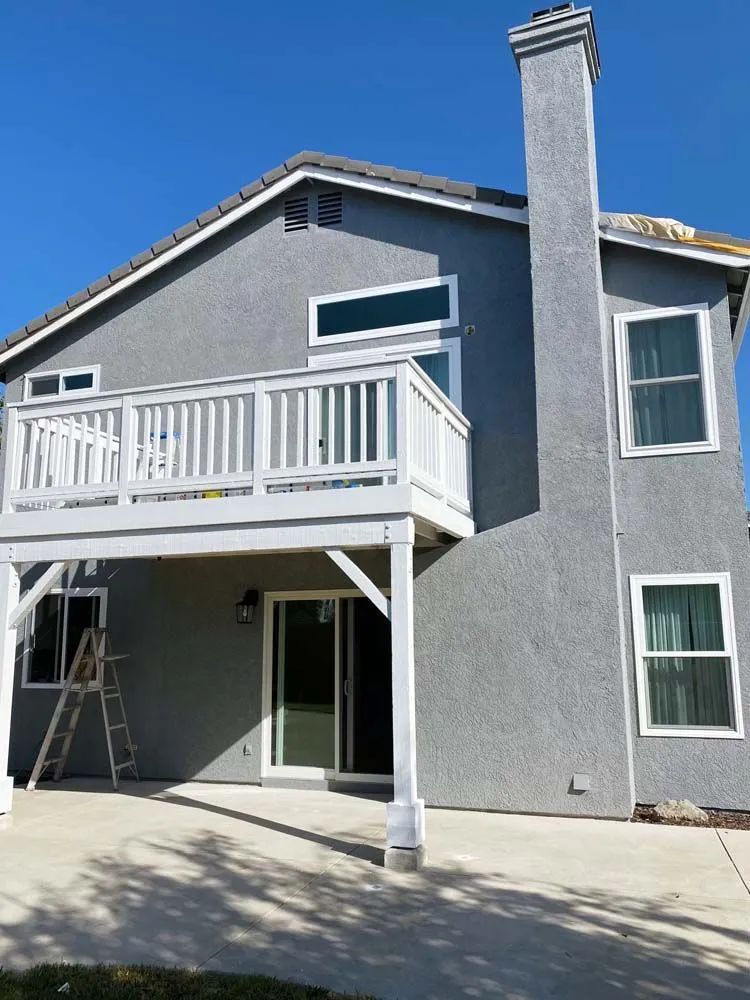
The exterior paint on a home is more than just a visual statement—it serves as a protective barrier against the elements, shielding the structure from moisture, UV rays, and temperature fluctuations. Yet, homeowners often wonder how long their exterior paint will last before it starts to fade, peel, or crack. Understanding the lifespan of exterior paint requires examining a range of factors, from climate and sun exposure to surface preparation and maintenance practices. Knowing what affects durability can save time, money, and frustration in the long run.
Every home experiences a unique set of conditions that influence paint longevity. Coastal properties face salt and moisture challenges, while homes in arid regions must contend with intense sun and temperature swings. Even high-quality paints can underperform if applied to poorly prepared surfaces or if routine upkeep is neglected. Homeowners who understand the interplay between environmental conditions, material quality, and maintenance strategies can better predict when repainting may be necessary. This knowledge empowers them to make informed decisions, prolong the life of their paint, and maintain a home’s aesthetic appeal and structural integrity. In this guide, we explore how long
exterior paint lasts, the environmental factors that accelerate wear, and actionable tips to extend the lifespan of your home’s exterior finish.
Factors That Influence Exterior Paint Longevity
1. Paint Quality and Type
Premium vs. Standard Paints
The type and quality of paint used play a critical role in overall longevity and long-term performance. Premium acrylic paints, for example, are formulated to resist UV fading, mildew, and water penetration, often lasting 10–15 years without extensive maintenance. Standard latex paints may only last 5–7 years under similar conditions in comparable environments. Choosing paints specifically designed for exterior use ensures optimal adhesion, flexibility, and color retention, reducing the risk of cracking, blistering, or early peeling over time.
Finish and Sheen
The finish of the paint also significantly affects durability and aesthetic appeal over the years. Flat or matte paints may hide imperfections but can be less resistant to washing, scrubbing, and prolonged weathering. Semi-gloss and satin finishes provide additional protection against moisture, dirt accumulation, and wear, making them ideal for high-exposure areas like trim, doors, and window frames. Understanding these nuances helps homeowners select a paint type that balances long-lasting aesthetics with overall resilience against natural elements.
2. Surface Preparation
Importance of Cleaning and Priming
Even the highest-quality paint cannot perform well on poorly prepared surfaces, which is a critical step often overlooked. Dirt, mold, peeling old paint, or uneven surfaces compromise adhesion and shorten paint lifespan significantly. Power washing, sanding, and applying a suitable primer create a stable base, ensuring paint bonds properly, cures effectively, and lasts considerably longer in varying environmental conditions. Proper surface preparation can make the difference between temporary and long-term results.
Repairs and Caulking
Cracks, gaps, or damaged siding should always be repaired before painting to prevent premature deterioration. Proper caulking seals joints, prevents water infiltration, and reduces the risk of peeling, blistering, or wood rot. A well-prepared surface extends paint life by minimizing environmental stressors acting directly on the underlying material, ensuring that the applied coating performs optimally under sun, rain, and wind exposure for many years.
Environmental Impacts on Paint Lifespan
1. Sun Exposure
UV Radiation and Fading
Intense sunlight accelerates the breakdown of paint polymers, causing fading, chalking, and eventual loss of gloss over time. Homes in sunny regions, particularly on south- and west-facing walls, often experience uneven fading and discoloration if not protected properly. Light-colored paints reflect sunlight and resist heat-related degradation better than darker shades, which absorb more UV energy and can deteriorate more rapidly under sustained exposure. Selecting UV-resistant paints enhances longevity in high-sun environments significantly.
Temperature Fluctuations
Rapid daily temperature swings cause expansion and contraction of building materials, putting significant stress on painted surfaces and potentially leading to cracking. Homes located in desert, high-altitude, or mountainous areas are particularly prone to this issue due to extreme temperature variations. Using paints formulated for high-temperature tolerance, combined with proper surface preparation, can mitigate these effects and help maintain the integrity and appearance of exterior coatings for a longer period.
2. Moisture and Precipitation
Rain, Snow, and Humidity
Excessive moisture exposure accelerates paint deterioration, causing peeling, blistering, or mildew formation if left untreated. Water can seep into cracks or joints, further damaging underlying materials. Coastal areas with high humidity or regions with heavy rainfall demand paints with strong water resistance and anti-fungal properties to maintain performance. Choosing the right products ensures exterior coatings provide both protection and aesthetic longevity, even in extremely wet conditions.
Seasonal Considerations
Painting in unfavorable weather conditions—too wet, too cold, or excessively hot—can compromise adhesion, curing, and long-term durability. Experts recommend scheduling painting projects during mild, dry periods to maximize performance and reduce risks of early paint failure. Consistently monitoring weather forecasts ensures ideal application conditions and provides homeowners with the confidence that their exterior paint will last as intended, even under variable seasonal changes.
3. Wind and Debris
Wind carries dust, sand, and other abrasive particles that can gradually erode paint surfaces over time, especially in exposed areas. Coastal, desert, or mountainous regions are particularly susceptible to this type of wear. Regular cleaning and preventative maintenance reduce the abrasive impact, preventing premature wear, maintaining visual appeal, and protecting the underlying material from long-term damage caused by environmental exposure.
Signs Exterior Paint Needs Repainting
1. Cracking and Peeling
One of the earliest and most noticeable signs of aging exterior paint is cracking or peeling, often along edges, corners, or areas with prolonged direct sun exposure. Small cracks can often be repaired locally, but extensive peeling usually indicates that a full repainting project is necessary to maintain protection and appearance. Ignoring these issues can lead to more significant structural problems over time.
2. Fading and Discoloration
Fading is a gradual process caused by UV radiation, environmental pollutants, and accumulated wear. While minor color fading may not immediately compromise protective properties, it detracts from curb appeal and signals that the paint is losing its durability. Homeowners noticing uneven discoloration should consider inspection and possible touch-ups to prevent further degradation.
3. Mildew and Mold Growth
Damp or shaded areas, particularly near gutters, eaves, and lower walls, are prone to mildew and mold growth. Mildew not only damages paint but can create health concerns for occupants if left unchecked. Using paints with built-in mildew resistance, along with routine cleaning and proper moisture management, is essential to maintain a safe and attractive exterior.
4. Chalky Residue
Chalking occurs when the paint surface begins breaking down due to sun and environmental exposure, leaving a powdery residue that rubs off easily. While light chalking can sometimes be cleaned and recoated, heavy chalking usually signifies that the paint has reached the end of its functional lifespan. Timely action prevents further damage to the underlying material.
Maintenance Tips to Extend Paint Life
1. Regular Cleaning
Routine cleaning prevents the buildup of dirt, mildew, pollen, and environmental pollutants that accelerate paint degradation over time. Gentle washing with a garden hose or low-pressure power washer removes contaminants without damaging the paint layer. Areas exposed to heavy traffic, trees, or landscaping may require more frequent attention to maintain both appearance and durability.
2. Timely Repairs
Inspecting the exterior at least once a year for cracks, peeling, or caulking failure helps prevent water infiltration and structural damage. Addressing these issues promptly can significantly prolong paint life and maintain visual appeal. Minor touch-ups in early stages often extend the interval between complete repainting, saving both time and costs over the long term.
3. Protective Measures
- Sealants and Coatings:- Applying protective sealants on wood trim, decks, or decorative accents creates an additional barrier against moisture, sun damage, and general wear. Specialized UV-resistant coatings can also be applied over painted surfaces in regions with intense sunlight, further enhancing longevity.
- Landscaping Considerations:- Trimming trees, shrubs, and plants away from walls reduces moisture retention, limits debris damage, and prevents accidental scratching. Proper grading and gutter maintenance ensure water does not pool near painted surfaces, avoiding long-term deterioration. Strategic landscaping contributes to overall paint performance significantly.
4. Choosing the Right Colors and Finishes
Lighter paint shades reflect more sunlight, reducing heat stress, fading, and UV damage, while darker colors absorb more energy and may degrade faster. High-quality satin or semi-gloss finishes improve washability and durability for areas prone to dirt, moisture, or frequent contact. Selecting the right combination of color and finish based on environmental conditions ensures optimal lifespan for exterior coatings.
Professional Guidance and Coatings from McKay's Painting Inc
Exterior paint serves both aesthetic and protective functions, but its lifespan depends on a combination of paint quality, surface preparation, climate exposure, and ongoing maintenance. Homeowners who understand these factors can make informed choices about paint type, color, and protective measures. Monitoring for signs of wear such as cracking, peeling, fading, or mildew ensures timely repairs and prolongs the life of the paint. Proper care, from regular cleaning to strategic landscaping and timely touch-ups, directly impacts both durability and overall home appearance.
For homeowners in California, partnering with a trusted professional can make all the difference. McKay's Painting Inc, serving Ojai and Ventura County, brings over 50
years of expertise in residential painting and exterior coatings. Our team combines industry knowledge with meticulous attention to detail, delivering long-lasting, high-quality results tailored to each home. From surface preparation to premium paint application, we provide solutions that protect and enhance the value of your property for years to come. With McKay's Painting Inc, homeowners can confidently maintain a beautiful, durable exterior finish.
Share this article