Exterior Painting: Cost, Process, and How to Choose the Right Contractor
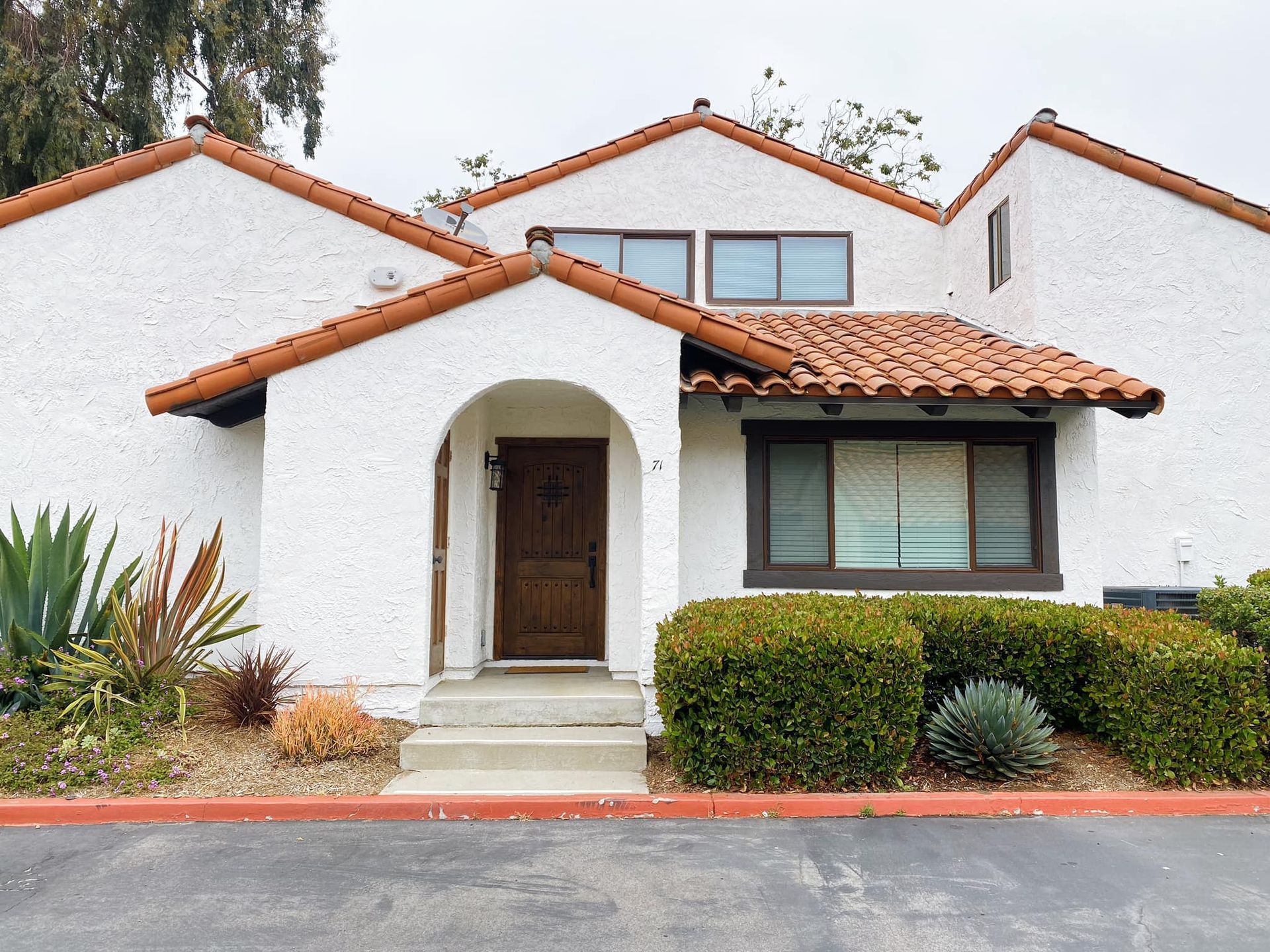
A home’s exterior is the first impression visitors and potential buyers experience, making exterior painting one of the most impactful home improvement projects. Beyond aesthetics, painting serves as a protective barrier, shielding your property from harsh weather, UV exposure, moisture, and other environmental hazards. Whether updating your home’s look or preparing it for sale, understanding the costs, processes, and contractor selection is essential to achieving a durable, visually appealing finish. Exterior painting is more than applying color—it requires preparation, skill, and knowledge of materials and techniques to ensure long-term performance and curb appeal.
Homeowners often underestimate the complexity of exterior painting and the factors that influence cost and quality. From surface preparation and primer selection to paint type and application method, every decision can affect the final result and the longevity of the paint job. Additionally, selecting the right contractor can make the difference between a seamless transformation and a project riddled with delays, peeling, or uneven coverage. This guide provides a comprehensive look at exterior painting, exploring cost considerations, step-by-step processes, and practical tips for choosing a reliable contractor. By the end, homeowners will have a clear roadmap for investing in an exterior painting project that enhances both beauty and protection.
Understanding Exterior Painting Costs
Factors Influencing Exterior Painting Costs
Exterior painting costs vary widely due to several key factors. First, the size and condition of the home play a significant role. Larger homes with multiple stories, intricate architectural details, or extensive siding require more paint, labor, and preparation time. Older homes may also have peeling paint, water damage, or uneven surfaces that require additional prep work, increasing both time and cost.
Another factor is paint quality and type. Premium paints with advanced UV resistance, mildew protection, and long-lasting finishes cost more upfront but often provide superior durability, reducing maintenance frequency. Similarly, specialty coatings for materials such as stucco, brick, or wood may carry additional costs due to their unique application requirements.
Labor costs depend on regional pricing, contractor experience, and project complexity. Hiring a licensed, insured professional with expertise in exterior surfaces often ensures better results but may be priced higher than a general handyman. Additional considerations include accessories and equipment, like scaffolding, ladders, pressure washers, and protective materials, which contribute to the overall budget.
Average Price Ranges
For most residential projects, exterior painting can range from $1,500 to $6,000 or more, depending on the factors above. A small, single-story home with minor prep might cost around $1,500–$2,500, while larger, multi-story homes requiring extensive surface preparation, repairs, and premium paint can exceed $5,000. Investing in quality materials and experienced labor typically pays off in longevity and curb appeal, avoiding frequent touch-ups or early repainting.
The Exterior Painting Process
Step 1: Inspection and Surface Preparation
Proper surface preparation is the foundation of any successful exterior painting project. Contractors begin by inspecting the home for issues such as peeling paint, cracks, water damage, and rot. Damaged siding, trim, or fascia may require repairs or replacement before painting. Cleaning the surfaces with pressure washing removes dirt, mildew, and loose paint, ensuring proper adhesion. Skipping this step can lead to peeling or uneven coverage later.
Step 2: Priming and Sealing
Priming is essential, especially for bare wood, patched areas, or surfaces that have been previously painted with a different type or color of paint. Primer helps paint adhere better and provides a uniform base, improving durability and finish. In some cases, a sealant is applied to protect porous materials like stucco or masonry from moisture infiltration.
Step 3: Choosing the Right Paint and Application Method
Selecting the right paint is crucial for both aesthetics and longevity. Acrylic latex paints are popular for their flexibility, weather resistance, and ease of cleaning. Oil-based paints can offer superior adhesion on certain surfaces but require longer drying times. Application methods include brushes for detail work, rollers for larger flat surfaces, and sprayers for efficiency on wide or textured areas. Experienced contractors determine the most effective approach based on surface type and home architecture.
Step 4: Painting and Detailing
Painting is typically done in multiple coats to ensure complete coverage and vibrant color. Attention to detail, such as edges, trim, and corners, is essential for a professional finish. Contractors carefully protect windows, doors, and landscaping with masking materials to prevent overspray or accidental drips.
Step 5: Cleanup and Final Inspection
After painting, contractors remove protective coverings, clean tools, and inspect the work for consistency and quality. A thorough final inspection ensures that all surfaces are evenly coated, edges are crisp, and any minor touch-ups are completed. This step also provides homeowners with peace of mind that their investment meets professional standards.
Choosing the Right Contractor
Licensing, Insurance, and Reputation
Selecting a reputable exterior painting contractor begins with verifying licensing and insurance. A licensed contractor demonstrates knowledge of industry standards, while insurance protects homeowners from liability in case of accidents. Checking references, online reviews, and past project portfolios helps gauge reliability, work quality, and customer satisfaction.
Assessing Experience and Expertise
Experience matters when it comes to exterior painting. Contractors with extensive experience understand surface preparation, proper primer selection, paint compatibility, and weather-related challenges. Ask potential contractors about past projects similar to yours and request photos or testimonials to evaluate their expertise.
Transparent Estimates and Contracts
A professional contractor provides a detailed written estimate outlining labor, materials, project timeline, and payment terms. Avoid contractors who give vague verbal quotes or demand full payment upfront. A clear contract protects both parties and ensures expectations are aligned regarding scope, cost, and warranty coverage.
Communication and Professionalism
Effective communication is key for a smooth painting project. Contractors should answer questions, explain materials and processes, and provide regular updates. Observing punctuality, organization, and attention to detail during initial consultations often reflects how the team will handle the project on-site.
Real-World Benefits and Challenges
Benefits of Exterior Painting
Exterior painting not only improves curb appeal but also protects the home against environmental damage. High-quality paint acts as a barrier against UV rays, moisture, mold, and mildew. Fresh paint can also increase property value, making it a worthwhile investment for homeowners planning to sell. Color selection offers aesthetic flexibility, allowing owners to modernize the look or complement landscaping and architectural style.
Common Challenges
Despite its benefits, exterior painting presents challenges. Weather is a significant factor—rain, humidity, and extreme temperatures can affect paint adhesion and drying times. Surface imperfections or hidden damage may require unexpected repairs. Homeowners must also consider the long-term maintenance of painted surfaces, including touch-ups and periodic inspections to ensure the paint remains protective and visually appealing.
Best Practices for Homeowners
Homeowners can ensure a successful exterior painting project by taking a proactive approach. Start by researching paint types suitable for your home’s materials and climate conditions. Schedule the project during favorable weather months to minimize risks of paint failure. When selecting colors, consider architectural style, neighborhood trends, and resale value.
Communicate clearly with your contractor, asking questions about surface preparation, paint warranties, and estimated completion timelines. Observing work progress and addressing concerns early can prevent costly mistakes. Additionally, maintaining your painted surfaces with routine inspections and cleaning extends longevity and preserves aesthetic appeal, making your exterior investment worthwhile.
Exterior Painting Trends and Material Considerations
Modern Paint Technologies
Advances in paint technology have introduced durable, low-VOC, and mildew-resistant paints ideal for exterior applications. These formulations reduce environmental impact, improve coverage, and extend the lifespan of painted surfaces. Self-cleaning or fade-resistant paints are increasingly popular among homeowners seeking low-maintenance solutions.
Material-Specific Recommendations
Different exterior materials require specific care. Wood siding often benefits from primer and acrylic latex paints for flexibility and weather resistance. Stucco and masonry require breathable coatings to prevent trapped moisture, while metal surfaces need rust-inhibiting primers. Understanding material requirements ensures paint adhesion and long-term performance.
Color Trends
Current exterior color trends favor neutral tones with bold accents, muted greens and blues, and natural earth-inspired palettes. Modern designs often combine traditional colors with contemporary textures to create visually striking yet timeless appearances. Strategic use of trim and accent colors enhances architectural features, providing depth and elegance.
Trusted Contractors Enhancing Homes with Quality Paintwork
Exterior painting is a significant investment in both the appearance and protection of your home. Understanding the cost factors, following a detailed painting process, and selecting a skilled contractor are essential steps toward achieving a durable, attractive finish. By considering surface preparation, paint type, application methods, and material-specific requirements, homeowners can ensure that their project delivers long-term benefits and enhanced curb appeal.
For homeowners seeking trusted,
professional exterior painting services
in California, McKay's Painting Inc
offers over 50
years of experience in residential painting and exterior coatings. Serving Ojai and Ventura County, McKay's Painting Inc
combines expert craftsmanship, attention to detail, and superior materials to transform homes with lasting beauty and protection. From initial consultation to final inspection, their team guides clients through every step of the process, ensuring clarity, quality, and reliability. With decades of proven expertise, McKay's Painting Inc
remains a preferred choice for homeowners who value professionalism, durability, and exceptional results in exterior painting projects.
Share this article