Interior Painting: How Professionals Prep, Protect, and Deliver Clean Results
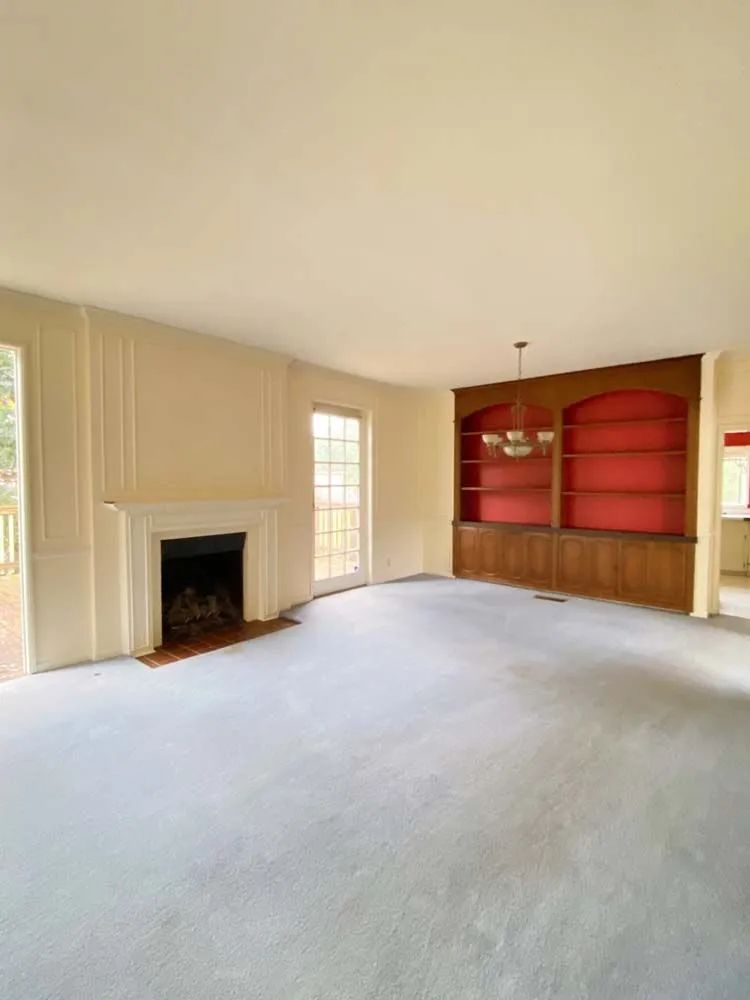
Interior painting is a transformative process that not only revives spaces but also enhances their aesthetic appeal. A fresh coat of paint has the power to completely change the mood of a room, whether it's brightening up a dark space or adding depth and richness to a neutral one. However, achieving a flawless finish goes far beyond simply applying paint to a wall. Professional interior painters follow a meticulous procedure that ensures not only an impeccable finish but also long-lasting results. From surface preparation to the careful application of each coat, the process involves various steps that require expertise, quality tools, and an eye for detail.
Every stage plays a critical role in delivering a high-quality paint job that meets or exceeds expectations. Without the right approach, even the best paint can result in uneven coverage or premature wear. In this blog, we will explore how professional painters expertly prep surfaces, protect your home, and deliver clean, crisp results. Whether you’re considering hiring a professional or tackling the project yourself, understanding the professional process will ensure that your interior painting project is completed with the highest standards of quality. Knowledge of these steps can help you make informed decisions and avoid costly mistakes. With over 50 years of experience, we know the importance of a well-executed painting project and will walk you through the essential steps involved in achieving the best possible outcome for your home or business. By the end of this post, you’ll have a better appreciation of the work that goes into creating a perfect interior finish.
1. Surface Preparation: The Foundation of a Long-Lasting Finish
Proper surface preparation is crucial to the success of any painting project. Without it, even the highest quality paint won’t adhere well, leading to peeling, bubbling, or uneven coverage. Professional painters take several important steps to ensure that surfaces are properly prepared before the first coat is even applied.
Cleaning and Degreasing
The first step in surface preparation is cleaning. Dirt, grease, and grime can interfere with the paint’s adhesion, so professionals use specialized cleaners to remove contaminants from walls, ceilings, and trim. This ensures that the paint bonds properly and that the finish remains smooth and even.
Sanding and Smoothing
Once cleaned, any rough spots or imperfections are smoothed out through sanding. Sanding also creates a slightly rough texture, which enhances the paint’s grip on the surface. This process is particularly important for surfaces like drywall, wood, or metal, as it ensures a more uniform application of paint.
Repairs and Patching
Before any paint is applied, it’s essential to address any imperfections in the surface. Cracks, holes, and dents are filled with appropriate patching materials. Once dried, these areas are sanded down to match the surrounding surface. Proper patching ensures a flawless, seamless finish after painting.
Priming: Setting the Stage
For surfaces that are new, porous, or stained, applying a primer is essential. Primers help the paint adhere better, provide a more even coat, and block any stains or discoloration from showing through. Professionals know which type of primer is needed for different surfaces, whether it’s drywall, wood, or metal, ensuring the best possible foundation for the final coat.
2. Protecting Your Space: Minimizing Mess and Damage
One of the main concerns homeowners have when painting is the mess and potential damage to furniture, floors, and fixtures. Professional painters take meticulous steps to protect your home, ensuring that no area is left unprotected.
Covering Furniture and Floors
Before painting begins, all furniture is moved out of the way or covered with drop cloths. This prevents any accidental splatters or drips from ruining valuable pieces. For flooring, heavy-duty plastic sheets or drop cloths are used to shield carpets, hardwood, or tile from any paint splashes or spills.
Protecting Trim and Fixtures
Professional painters also use painter’s tape to protect trim, baseboards, and light fixtures. This is done with precision to ensure that the paint doesn’t seep onto areas that shouldn’t be painted, creating clean lines and sharp edges. Professionals are experienced at taping off edges quickly and effectively, leaving no room for mistakes.
Ventilation and Safety Measures
Proper ventilation is critical when painting interiors. Fumes from paint can be harmful, especially in poorly ventilated areas. Professionals use fans, open windows, and air purifiers to ensure a constant flow of fresh air, reducing the buildup of toxic fumes. Additionally, safety protocols like using respirators or masks during the painting process are strictly followed.
3. Applying Paint: Techniques for a Flawless Finish
Once all the preparation and protection are complete, it’s time for the most visible part of the process—applying the paint. Professional painters use a range of techniques to ensure that every stroke contributes to a smooth, consistent finish.
Choosing the Right Paint and Finish
Professionals carefully select the right paint for the project based on the surface and desired outcome. For example, matte finishes may be used for ceilings, while semi-gloss or satin finishes are often preferred for trim and doors. The right paint ensures durability and ease of maintenance, especially in high-traffic areas like kitchens and bathrooms.
Using Brushes, Rollers, and Sprayers
Professional painters know which tool to use for each area. For large, flat surfaces like walls, rollers are typically used for even coverage. For smaller, detailed areas like trim or corners, high-quality brushes ensure precision. In some cases, sprayers may be used for faster coverage on larger surfaces, ensuring smooth and even application.
Multiple Coats for Even Coverage
Most interior paint jobs require more than one coat of paint to achieve a uniform, rich color. Professionals know when to apply additional coats for full coverage, especially when switching from a dark to a light color or when covering surfaces that are heavily textured.
Smoothing Between Coats
To achieve the smoothest possible finish, professional painters often sand between coats. This step ensures that the surface is perfectly smooth, eliminating any imperfections or bumps that may have formed during the drying process.
4. Final Touches: Detailing for a Polished Look
Once the main painting is complete, the final touches can make all the difference in the overall appearance of the room.
Removing Painter’s Tape
After the paint has dried, the painter’s tape is carefully removed. This process requires skill to ensure that the edges are clean and sharp, without peeling any paint or leaving unsightly gaps.
Touch-ups and Detailing
In some cases, a small touch-up may be necessary around the edges or corners where the roller or brush didn’t quite reach. Professionals go over these areas carefully to ensure an even and flawless finish. Detailing includes checking for any overlooked spots, drips, or imperfections.
Cleaning Up and Final Inspection
Once all the painting is complete, professionals take the time to thoroughly clean their tools and the workspace. This includes wiping down surfaces, removing any protective coverings, and inspecting the area to ensure that everything meets the highest standards.
5. The Benefits of Hiring a Professional Painter
While DIY painting projects can be appealing, there are numerous advantages to hiring a professional. Professionals have the knowledge, tools, and experience to deliver results that are often far superior to what can be achieved by an amateur. Below are some of the key benefits:
Quality and Durability
Professionals use high-quality materials and techniques that ensure the paint lasts longer and looks better. From the right paint selection to expert application, every step is designed to deliver a long-lasting result.
Efficiency and Speed
What may take a weekend for a DIYer can often be completed in a matter of days by a professional team. Professionals have the experience and equipment to work quickly without sacrificing quality, ensuring that the project is completed on time.
Expert Advice and Design Suggestions
Professional painters can also offer valuable advice on color choices, finishes, and trends. Their experience allows them to guide you in selecting the right combinations that complement your space and achieve your desired atmosphere.
Experience Unmatched Quality with McKay’s Expert Painting Services
Interior painting is much more than just applying color to a wall—it’s an art form that requires precision, expertise, and the right materials. Professional painters bring a level of skill and attention to detail that ensures a clean, flawless finish that will stand the test of time. From proper surface preparation to the final detailing, every step is executed with care and precision, delivering outstanding results that transform your space.
With over 50
years of experience in residential painting and exterior coatings, McKay's Painting Inc
is committed to providing top-notch painting services throughout Ojai & Ventura County, California. We understand the importance of preparation, protection, and professional application, ensuring that your home or business receives the highest quality paint job possible. Whether you're updating a single room or giving your entire home a makeover, we bring unmatched expertise to every project. Our dedicated approach to customer satisfaction, attention to detail, and commitment to using only the best materials guarantees results you’ll be proud of. Trust us to bring a fresh look to your space with clean, crisp, and long-lasting paint finishes.
Share this article