Is It Time To Repaint Your Home? 7 Signs You Shouldn’t Ignore
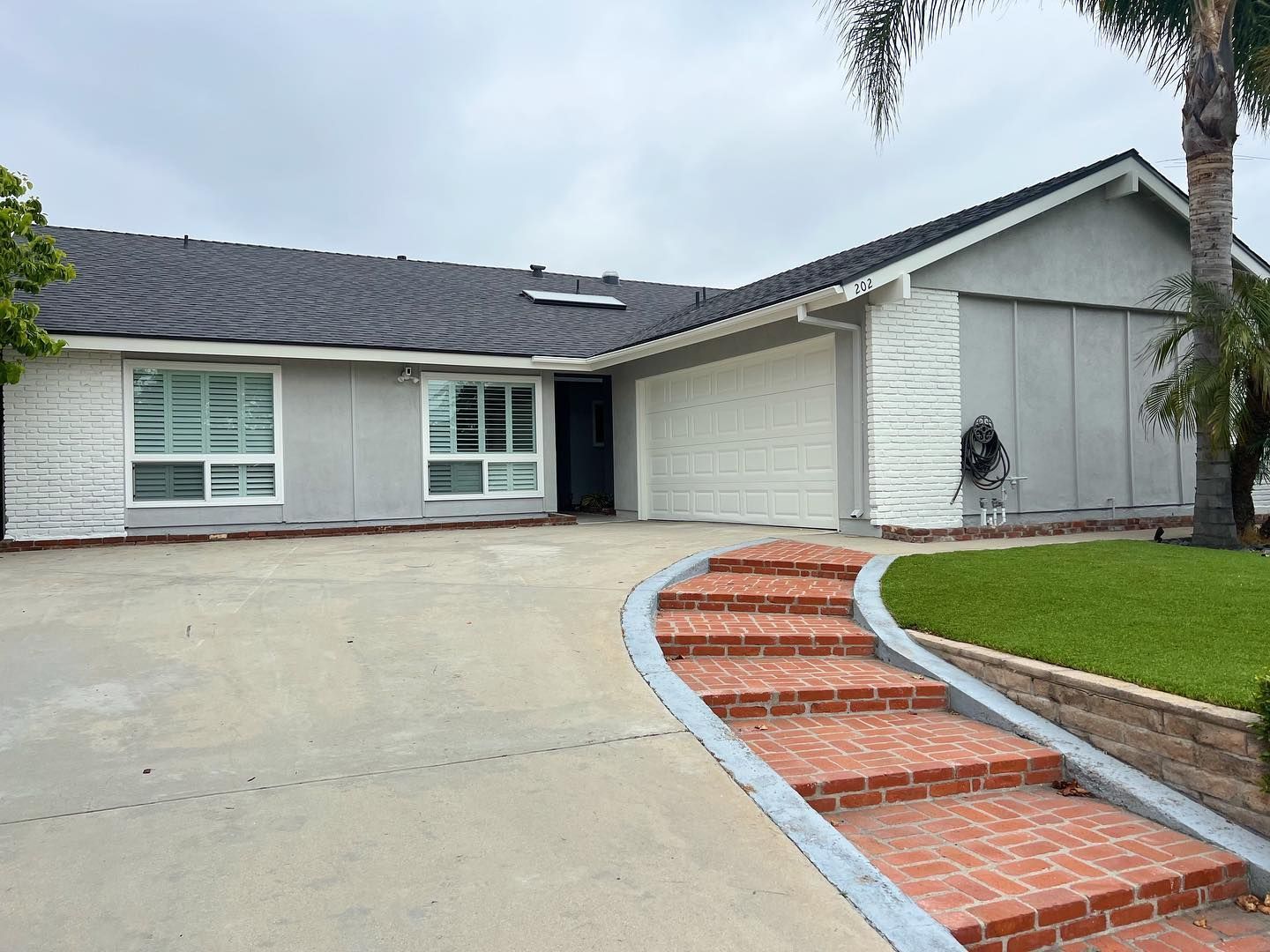
Your home’s exterior is more than just a façade—it’s a reflection of your personal style, a key part of your curb appeal, and a crucial barrier protecting the structure from weather, moisture, and decay. Over time, even the highest-quality paint can begin to show signs of wear and tear. Faded colors, chipped surfaces, or mold growth are more than cosmetic issues—they can indicate that your home is overdue for maintenance. Ignoring these warning signs can lead to more significant problems down the line, including wood rot, moisture damage, and costly repairs.
Determining when to
repaint is not always straightforward. While some homeowners wait for their home to look visibly worn, experts suggest that timely repainting can prevent damage, enhance property value, and extend the lifespan of your exterior surfaces. This blog explores seven key signs that indicate it may be time to pick up the brush—or hire a professional—before minor issues escalate. Whether you are planning to sell, maintain, or refresh your home, recognizing these indicators ensures your property remains both attractive and structurally sound. Read on to discover the signals you should never ignore when it comes to repainting your home.
1. Fading or Discoloration
Why It Happens
Sunlight, moisture, and pollutants naturally degrade paint over time, gradually weakening the protective layer of your home’s exterior surfaces. UV rays break down pigments, causing colors to fade unevenly and lose their original vibrancy. This process is more noticeable on south- and west-facing walls, which are exposed to intense sunlight for extended periods throughout the year. Over time, these areas may appear significantly duller compared to less exposed surfaces, signaling the paint’s protective qualities are diminishing.
Signs to Watch For
- Uneven color across walls or siding, appearing patchy or inconsistent
- Paint looking washed out compared to trim, shutters, or decorative features
- Loss of vibrancy in originally bold hues, leaving the exterior dull
Impact on Your Home
While fading may seem purely cosmetic at first glance, it also signals that the protective layer of paint is weakening substantially. This can make surfaces more susceptible to cracking, peeling, and moisture penetration, which may ultimately compromise the structural integrity of wood, siding, and other exterior materials over time.
Expert Tip
Regularly inspect your home in natural daylight to spot subtle color inconsistencies that may indicate damage. If fading is widespread, it may be more cost-effective to repaint the entire exterior rather than only touching up small, isolated areas.
2. Peeling, Cracking, or Bubbling Paint
Common Causes
Peeling and cracking occur when the paint loses adhesion to the surface beneath. This can result from improper surface preparation, moisture infiltration, or simply the age of the paint applied years ago. Bubbling is often caused by trapped moisture, heat, or fluctuating temperatures, forcing paint layers to separate from the substrate and weaken over time.
Identifying the Problem
- Paint edges lifting away from walls, trim, or decorative moldings
- Small or large cracks forming along siding, windows, or door frames
- Blisters or bubbles appearing on painted surfaces, indicating trapped moisture
Consequences
Peeling or cracked paint exposes the underlying material to water damage, rot, and even insect infestation if left unaddressed. Over time, what begins as minor cosmetic damage can escalate into structural concerns that are much more expensive and labor-intensive to fix properly.
Best Practices
Address minor peeling early by scraping, sanding, and spot-priming before repainting affected areas. For widespread peeling, a full repaint with professional surface preparation ensures long-term durability and protection against recurring damage.
3. Mold, Mildew, or Algae Growth
Why It Occurs
Excess moisture, poor ventilation, and shaded exterior areas create ideal conditions for mold, mildew, or algae to thrive on painted surfaces. This is especially common in coastal regions, areas with high rainfall, or locations with limited sunlight, where moisture persists longer and promotes microbial growth.
Warning Signs
- Black, green, or brown spots forming on exterior walls, siding, or trim
- Musty odors developing near the affected areas, noticeable indoors and outdoors
- Paint surface feels slimy or damp to touch, indicating active mold growth
Risks to Home and Health
Besides compromising aesthetics, mold and mildew can deteriorate paint and underlying wood surfaces, eventually leading to rot and structural damage. Additionally, these organisms can pose health risks, particularly for individuals with allergies, asthma, or other respiratory conditions.
Recommended Action
Treat affected areas with specialized cleaners or biocides before repainting to eliminate growth effectively. Ensure the surface is thoroughly dry and consider using mold-resistant primers and paints to prevent recurrence in the future.
4. Chalking or Powdery Residue
What Chalking Is
Chalking occurs when paint breaks down into a fine, powdery substance on the surface, often as a result of prolonged exposure to sunlight and harsh weather conditions. This process erodes the paint binder over time, weakening adhesion and reducing protective qualities.
How to Detect
- Rub your hand on the painted surface—if a white or colored powder transfers, chalking is present
- Look for a dull, weathered appearance on previously glossy or semi-gloss surfaces
- Check for subtle fading that is inconsistent across different exterior areas
Implications for Maintenance
Chalking indicates that the paint no longer provides adequate protection against moisture, UV damage, or environmental pollutants. Repainting without addressing chalking may result in poor adhesion, causing the new paint layer to peel prematurely and reduce its lifespan.
Professional Tip
Pressure wash or scrub chalked surfaces thoroughly before repainting, and use a high-quality primer to ensure the new coat bonds effectively and lasts for many years.
5. Water Damage or Staining
How Water Affects Paint
Leaks from roofs, gutters, or siding can stain or damage paint over time. Persistent moisture leads to discoloration, blistering, or even wood rot developing behind the paint layer if left unaddressed. Water intrusion can also cause subtle structural problems that become more costly to repair.
Signs to Monitor
- Dark streaks, water marks, or ring patterns appearing on walls or trim
- Paint lifting or bubbling around window sills, doors, or eaves
- Soft or spongy areas indicating underlying wood or siding damage
Long-Term Consequences
Unaddressed water damage accelerates decay and can compromise the overall structure of your home. Repairing the source of the leak is crucial before repainting to prevent repeated damage and ensure long-lasting results.
Preventive Measures
Inspect gutters, downspouts, and rooflines regularly for blockages or leaks. Replace damaged wood or trim, seal joints effectively, and apply high-quality, water-resistant paint to prolong exterior durability and protection.
6. Outdated Color or Style
Beyond Physical Damage
While practical concerns drive repainting, aesthetic factors are equally important. Trends, neighborhood standards, or personal taste may shift over time, prompting homeowners to refresh their exterior colors and create a more visually appealing property.
When to Consider a Change
- Selling your home and aiming to boost curb appeal and buyer interest
- Mismatched, faded, or dated trim, shutters, or exterior doors
- Desire for a modern, cohesive, or more harmonious color scheme
Benefits of Updating Your Home’s Look
Repainting in updated tones can significantly enhance property value, make your home feel more inviting, and protect exterior surfaces with fresh, high-quality paint that lasts longer.
Expert Recommendation
Select neutral or complementary shades that enhance architectural features while resisting rapid fading from sunlight and weather. Using premium exterior paint provides longevity, color retention, and a more uniform finish, making the investment worthwhile.
7. Frequent Touch-Ups Needed
Understanding Maintenance Frequency
If small sections of your home require constant attention or touch-ups, it signals that the existing paint is no longer performing effectively. Multiple minor repairs often indicate underlying issues such as poor previous application, aging paint, or environmental stressors affecting durability.
How to Identify
- Repainting small spots every season or year due to fading or damage
- Noticeable inconsistencies in texture, sheen, or color across surfaces
- Surfaces prone to wear from sun, rain, wind, or physical contact
Implications
Repeated minor fixes can become more expensive and time-consuming than a full repaint. They also fail to provide uniform protection, leaving your home vulnerable to moisture, rot, and further damage over time.
Best Practice
A full repaint with proper surface preparation and premium, durable paint ensures long-term durability, uniform coverage, and reduces ongoing maintenance costs significantly. Investing in professional expertise lowers future repair risks.
Trusted Experts Reveal When Repainting Is Necessary
Recognizing the signs that it’s time to repaint your home is critical for maintaining both aesthetics and structural integrity. Fading, peeling, mold growth, chalking, water damage, outdated colors, and frequent touch-ups all indicate that your exterior paint has reached the end of its effective lifespan. Addressing these issues promptly not only preserves the appearance of your home but also prevents costly repairs and enhances long-term durability.
For homeowners seeking professional guidance, McKay's Painting Inc offers decades of expertise in residential painting and exterior coatings. Based in Ojai and Ventura County, California, our team combines over 50
years of experience with a commitment to quality, precision, and customer satisfaction. Whether it’s restoring a faded façade, addressing water-damaged areas, or updating your home with a fresh, modern color palette, McKay's Painting Inc provides dependable, high-quality service that protects your investment and elevates your home’s curb appeal. Trust us to deliver results that last for years to come.
Share this article